Why Go Natural?
The Hidden Costs of Conventional Cleaners
Conventional cleaning products may leave your home sparkling, but they often come with hidden costs both to your health and the environment.
Health risks: Many standard cleaners contain harsh chemicals linked to respiratory issues, skin irritation, and hormone disruption.
Environmental impact: Ingredients such as ammonia and phosphates can pollute waterways and harm wildlife.
Air quality concerns: Volatile Organic Compounds (VOCs) released by many cleaners contribute to indoor air pollution and can aggravate asthma and allergies.
Toxins to Watch Out For
Reading labels matters. Certain commonly used ingredients should raise red flags when spotted on your cleaning products:
Synthetic fragrances: These can contain phthalates, which may disrupt hormones.
Chlorine bleach: Effective but harsh, it poses risks when inhaled or mixed improperly.
Quaternary ammonium compounds (quats): Found in disinfectants, they are linked to skin and respiratory issues.
Sodium lauryl sulfate (SLS): A foaming agent that can irritate skin and eyes.
Cleaner Homes, Cleaner Air
Switching to natural cleaning alternatives can significantly reduce your home’s toxic load:
Lower indoor air pollution: Natural ingredients like vinegar and essential oils emit fewer volatile compounds.
Less plastic packaging: Many natural solutions encourage reusable packaging or come in concentrated forms, reducing waste.
Eco friendly disposal: Unlike chemical heavy products, natural cleaners break down more safely in the environment.
Green Cleaning Myths Debunked
Not all green claims are created equal. Here’s how to separate fact from fiction:
Myth: Natural cleaners aren’t effective.
Truth: Ingredients like vinegar, baking soda, and lemon juice have proven antibacterial and antifungal properties.
Myth: If it doesn’t foam or have a strong scent, it’s not working.
Truth: Foam and fragrance are often added for effect, not cleaning power.
Myth: Green products are always 100% safe.
Truth: Even natural substances can cause reactions always test and read labels carefully.
Going natural is about making informed choices, not perfect ones. Every small switch adds up to a healthier, more sustainable home.
Core Ingredients That Actually Work
You don’t need ten different bottles under the sink. A few key ingredients do most of the heavy lifting when it comes to natural cleaning no fluff, just function.
Baking soda is your go to for grit. It scrubs sinks, deodorizes fridges, and softens hard water in the laundry. Cheap, safe, and absurdly versatile.
White vinegar is the workhorse. It cuts through grease, lifts grime, and kills off some bacteria. Use it as a base in sprays or dab it on sticky surfaces. Just keep it off natural stone vinegar and granite don’t get along.
Castile soap keeps things simple. Made from plant oils, it’s tough enough for countertops but gentle enough for your hands. Great for diluted all purpose mixes or a mop bucket boost.
Lemon juice adds more than just a clean scent. It’s acidic, so it busts through buildup and has light antibacterial properties. Fresh squeezed or bottled, it doesn’t take much.
Essential oils step in for scent and targeted action. Tea tree, lavender, eucalyptus they’re more than pretty smells. Some have real antimicrobial perks. Use a few drops, not half the bottle.
Still not convinced these basics can hold their own? Here’s the longer answer on do natural cleaners work.
Must Have Products for Every Room
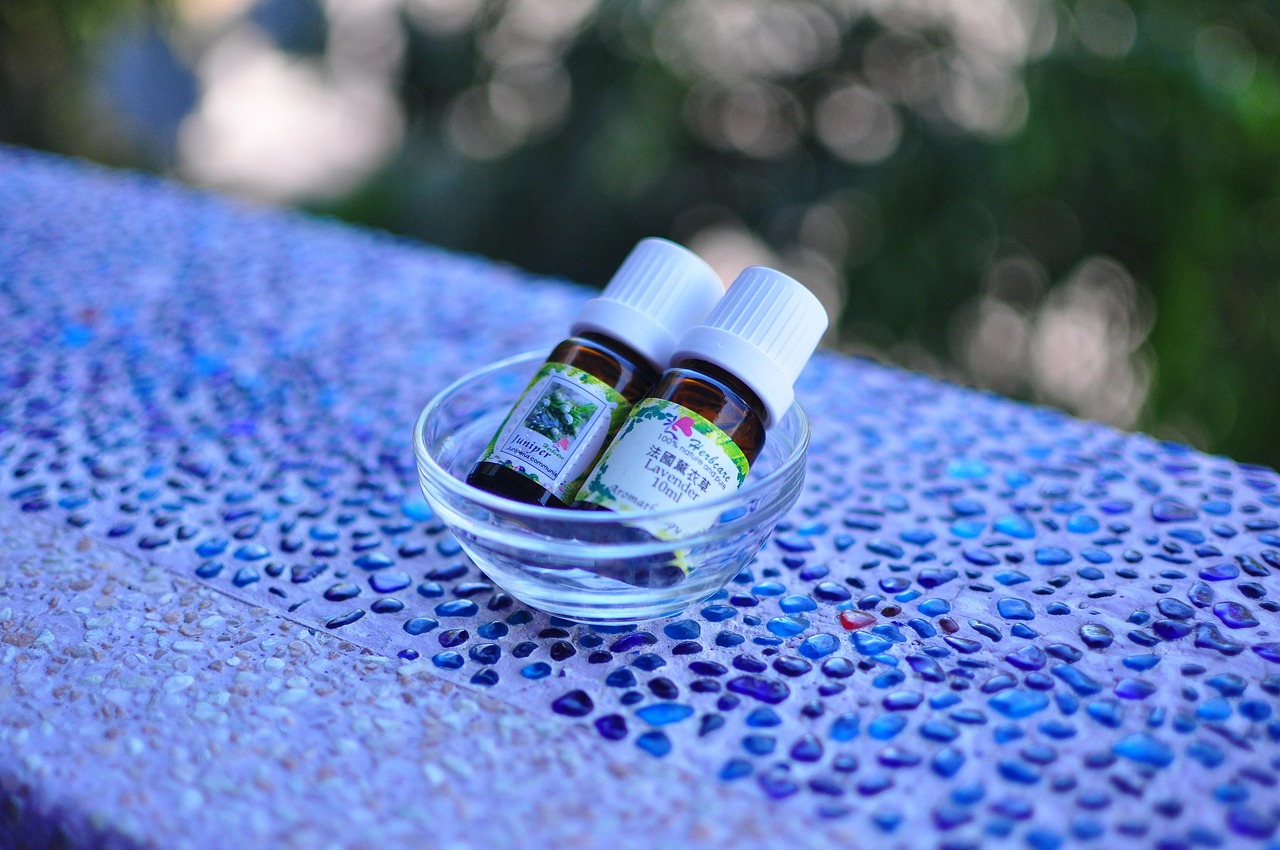
Here’s where simplicity does the heavy lifting. These five natural cleaning staples will cover just about every room in your home without loading up your shelf with a dozen different bottles.
All purpose spray: Mix equal parts white vinegar and water in a spray bottle. Add 10 15 drops of your favorite essential oil (think lavender, tea tree, or lemon) to cut the vinegar smell and add antimicrobial punch. This one’s your grab and go for counters, doorknobs, light switches basically everything.
Bathroom cleaner: Need to tackle tubs and grout? Make a thick paste using baking soda and a splash of water. Scrub with a bristle brush or sponge. It takes a little elbow grease, but the grit lifts grime without the fumes.
Glass cleaner: For a streak free finish, combine 2 cups water, half a cup white vinegar, and a quarter cup rubbing alcohol. Stir in one tablespoon of cornstarch to fight fogging. Shake before each use cornstarch settles and spray on mirrors and windows. Wipe with a microfiber cloth.
Floor cleaner: A bucket of warm water with a squirt of castile soap is all you need. Safe for hardwood, tile, and laminate. Just wring out your mop well too much water is no friend to wood.
Kitchen degreaser: Infuse vinegar with citrus peels (orange, lemon, grapefruit your call) for a week or two. Strain and dilute with water (1:1). It cuts grease, lifts stuck on gunk, and leaves behind a crisp scent. Great for stovetops, backsplashes, and cabinet doors.
These DIY mixes take minutes to make and spare you the mystery ingredients. No glossy marketing, just clean surfaces and clear air.
How to Read Labels Like a Pro
“Natural” is one of the most abused words in product marketing. It suggests clean, safe, and good for the environment but legally, it doesn’t mean much. Brands can slap it on a label even if the product contains only one plant based ingredient mixed with a dozen synthetics.
So, how do you cut through the noise? Real transparency starts with certifications. Look for credible seals like USDA Organic, which ensures ingredients meet strict organic standards, or EWG Verified, which screens for toxic chemicals and full ingredient disclosure. These badges aren’t just stickers they represent third party accountability.
Next, know your danger signals. If the label lists “fragrance” without details, count it as a red flag. That word often hides a cocktail of synthetic chemicals. Same goes for vague terms like “proprietary blend” translation: we’re not telling you what’s in it. Sodium lauryl sulfate (SLS) is another usual suspect commonly linked to skin irritation, it’s often found in products claiming to be gentle.
The goal isn’t perfection. It’s picking products that match your values and ditching the ones that don’t deserve your trust. Read every label like it’s a contract. Because, in a way, it is.
Real Results, Backed by Practice
Effectiveness isn’t just in the bottle it’s in the mess you’re tackling. Green cleaners aren’t magic potions; they work, but they need the right conditions. Greasy stovetop buildup? That calls for time and elbow grease. Lingering bathroom grime? You may need to let that baking soda paste sit a little longer.
The tools matter just as much. Microfiber cloths trap dust and lift residue better than paper towels. Scrub brushes get into the grout lines sprays can’t reach. Glass spray bottles last longer, cut down on plastic, and can handle acidic solutions without breaking down.
Then there’s the method. Spraying and wiping might be fine for light duty, but heavier messes need more: a soak, a double scrub, or a higher concentration of cleaner. That’s where dilution ratios come in. Go too weak, and you’re wasting effort. Go too strong, and even natural ingredients can cause damage or waste.
Bottom line: the product is only half the equation. The rest is how, when, and with what you use it. For a deeper dive into whether these natural solutions hold up under the microscope, see Do natural cleaners work?.
Final Tips for Switching Smart
If you’re ready to green up your cleaning routine, don’t toss everything under your sink just yet. The smartest way to switch is to transition naturally use up what you have, and replace items one at a time. Rushing the process can get expensive and overwhelming fast.
Starting with simple DIY formulas is a good move. Vinegar, baking soda, and essential oils go a long way. Once you get a feel for what works, you can mix in trusted natural brands for convenience, especially in areas where DIY falls short like dishwasher tablets or laundry pods.
Strip your formulas down to the essentials. The fewer ingredients, the easier it is to control what’s going into your home and around your family. It’s not about making your house smell like a spa it’s about not loading the air with mystery toxins. A clean home shouldn’t smell like bleach. It should smell like, well… nothing unnecessary.
 Heather Smithkers - Innovative Eco-Author at Green Commerce Haven
Heather Smithkers is a creative and forward-thinking author at Green Commerce Haven, where she brings a unique perspective to the world of sustainability. With a flair for storytelling and a deep commitment to environmental advocacy, Heather crafts engaging content that resonates with eco-conscious readers. Her work delves into the latest trends in green startups, organic products, and sustainable living, offering fresh insights and practical advice. Heather’s innovative approach to writing helps demystify complex environmental topics, making them accessible and inspiring to a broad audience.
Heather Smithkers - Innovative Eco-Author at Green Commerce Haven
Heather Smithkers is a creative and forward-thinking author at Green Commerce Haven, where she brings a unique perspective to the world of sustainability. With a flair for storytelling and a deep commitment to environmental advocacy, Heather crafts engaging content that resonates with eco-conscious readers. Her work delves into the latest trends in green startups, organic products, and sustainable living, offering fresh insights and practical advice. Heather’s innovative approach to writing helps demystify complex environmental topics, making them accessible and inspiring to a broad audience.