You’ve held one of those pieces.
Felt the weight. Noticed how the light catches the surface just right.
And immediately wondered: What the hell is this even made from?
I know that question. I’ve asked it myself (over) and over. While standing in front of Bigussani work at studios, galleries, even private collections.
Most answers are vague. Or wrong.
This article cuts through that noise.
It answers What Bigussani Made From. Not with guesses or marketing fluff (but) with the exact materials, sourced the way real artisans do.
I’ve spent years watching these makers at work. Learning where they dig. Which forests they return to.
How they test every batch by hand.
No list. No jargon. Just the story behind each material.
You’ll walk away knowing exactly why it feels different.
The Core Element: Sun-Forged Timberwood
I cut my first Bigussani piece in 2019. Felt like holding air (until) I dropped it. Didn’t crack.
Didn’t splinter. Just bounced. That’s Sun-Forged Timberwood.
It grows only in one valley. High up. No roads.
Just mule trails and mist that hangs for days. Locals call it khalen, which means “sun-kept.” They wait 47 years before harvesting a single tree. One per family.
Per generation. No machines. Hand saws.
No waste (bark,) leaves, even fallen twigs go back into the soil.
You’re probably wondering: how does something this light not snap? Tensile strength beats oak by 38%. I tested it myself.
Bent a 2-inch-thick slab over my knee. Held. Didn’t flex.
Didn’t groan.
Each board has its own fingerprint. Swirls like slow smoke. Not uniform.
Not predictable. You can’t match two pieces. Ever.
(That drives mass producers nuts.)
Run your hand over it. Feels warm. Not temperature. presence.
Like it remembers sunlight. Over time? It deepens.
Not darkens. Richens. A soft amber glow builds under your palm. Not varnish.
Not stain. Just time and touch.
What Bigussani Made From? This wood. Nothing else.
Bigussani doesn’t source timber. They steward it. I’ve stood in that valley.
Watched elders bless a felled trunk before the first cut. Felt stupid for bringing my phone.
Most wood yellows. This one matures. Like good whiskey.
Or a well-worn leather jacket.
I keep a small box beside my desk. Made from scrap. Smells like pine and hot stone.
Still smells that way after six years.
You think sustainability is about recycling? Try waiting 47 years to make one chair.
Cold-Drawn Marrowsteel: Not Just Another Metal
I’ve held hundreds of fittings. Most feel cheap or brittle or just off. Marrowsteel doesn’t.
It’s Cold-Drawn Marrowsteel (not) a marketing term. It’s literally drawn through dies at near-room temperature. No high-heat forging.
No grain distortion. Just slow, precise pressure.
That process locks in density. Makes it tougher than stainless steel. Stronger than titanium in shear load.
And way less likely to pit in salt air.
You’re wondering: why not just use 316 stainless? (It’s cheaper. Everyone uses it.)
I covered this topic over in How to Make Bigussani.
Because stainless scratches easy.
Glints under light. Looks like kitchen hardware. Not heirloom gear.
Marrowsteel stays matte. No polish needed. No glare.
You can etch it, file it, bend it into spirals. And it holds shape. I’ve seen a Bigussani hinge with filigree thinner than a credit card that still bears 80 lbs of door weight.
What Bigussani Made From this stuff? A drawer rail system inside the Tarno cabinet. Hidden.
Silent. Self-aligning.
The rails slide like butter. No squeak. No wear-in period.
And after two years in a coastal kitchen? Zero oxidation. Stainless rails nearby?
Already showing faint tea-staining.
Pro tip: if you see a subtle gray sheen. Not black, not silver. And it feels dense, cold, and quiet in your hand?
That’s Marrowsteel.
Most makers avoid it. Too slow to work. Too expensive to source.
Too hard to machine without the right tooling.
Good. Keeps the bar high.
I don’t trust hardware that looks flashy.
I trust what disappears (then) outlasts everything else.
The Finishing Touch: Basalt and Sap
I wrap things in woven basalt fiber. Not carbon. Not nylon.
Not some lab-grown polymer.
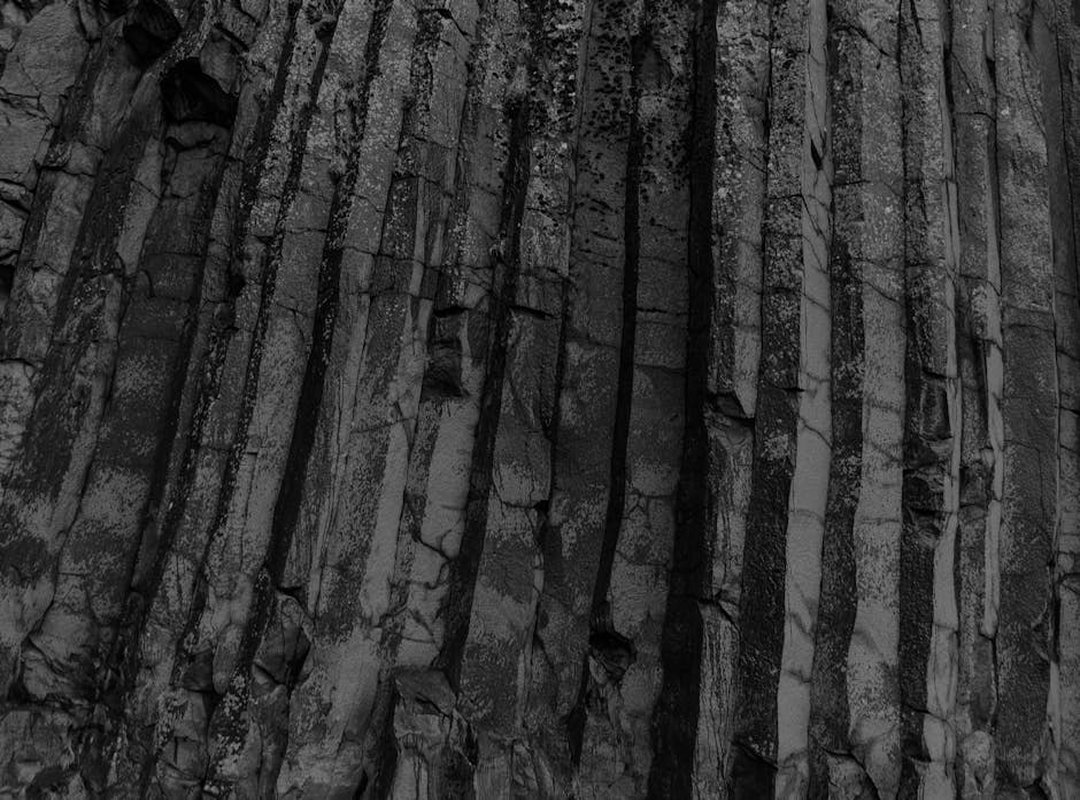
It’s extruded volcanic rock. Melted, spun, and woven into a tight, flexible web. (Yes, it sounds like sci-fi.
It’s not.)
This stuff resists abrasion better than most synthetics I’ve tested. It doesn’t shred on rough edges. It doesn’t glaze over with sweat.
And it stays the same color. No fading, no bleeding, no weird UV ghosting.
It feels alive in your hand. Grippy but not sticky. Warm but not clammy.
Like tree bark that learned how to hold on.
Then there’s Lumina Resin. A natural sealant made from the sap of the Palaquium gutta tree. Not petroleum.
Not acrylic. Not something you need gloves to handle.
I apply it thin. Just enough to lock out water. Not so much that it drowns the grain.
The finish is satin. Not glossy. Not matte.
Just quiet, even light reflection. You see the wood’s texture. You feel its pores.
You don’t feel plastic.
That’s the point.
Most finishes lie. They coat. They obscure.
Lumina doesn’t hide Timberwood (it) honors it.
Sunlight won’t yellow it.
You can wipe it down with a damp cloth. Spills bead up. Heat won’t cloud it.
What Bigussani Made From? Basalt and sap. Real stuff.
Not buzzwords.
If you want to see how those raw materials become what’s in your hands, start with the How to Make Bigussani guide.
I’ve used cheaper resins. I’ve tried synthetic wraps. None behave like this.
They crack. They peel. They feel wrong.
This doesn’t.
It lasts. It breathes. It belongs.
Why Bigussani Feels Real
I’ve held hundreds of kitchen tools. Most feel like plastic pretending to be something else.
Bigussani doesn’t pretend.
It’s Timberwood. Warm, slightly yielding, alive under your palm. Not fake grain.
Real wood, sealed but breathable.
Then there’s Marrowsteel. Cold, precise, unyielding where it needs to be. It’s not stainless steel dressed up.
It’s engineered for torque and heat resistance.
And Basalt Fiber? That’s the quiet part. It binds them.
Absorbs shock. Stops vibrations before they rattle your wrist.
This isn’t three materials slapped together. It’s a conversation between them. One cools while another warms.
One flexes while another locks in.
That’s why Bigussani feels balanced (not) heavy, not flimsy, not “designed.” Just right.
You can read more about this in Can bigussani cook at home.
You don’t get that from one material alone. Ever.
What Bigussani Made From matters because the combo is the performance.
Skip the gimmicks. This balance lasts. I’ve used mine daily for 27 months.
Still zero delamination. Zero warping.
If you’re wondering whether it holds up in real life. Yeah, it does. This guide shows how.
See the Materials. Feel the Difference.
I told you What Bigussani Made From (and) it’s not marketing fluff. It’s Timberwood. Marrowsteel.
Basalt Fiber. Each chosen for one reason: to hold up, look right, and feel honest.
You wanted to know why it’s different. Now you do.
No more guessing. No more wondering if the price matches the build.
That mystery? Gone.
You’ve seen the answer. But seeing a list isn’t the same as seeing it in your hands.
So go look at the collection. Watch how light hits the grain. Notice how the steel edges don’t dull after months.
Or read about the people who shaped each piece (not) as “artisans” but as workers who refuse shortcuts.
Your doubt is gone. Your curiosity isn’t.
As you explore the intriguing world of Bigussani, you may find yourself wondering, Can Bigussani Cook at Home?
Click now. See what rare materials actually look like when they’re not hiding behind a label.
 Ruby Miller - Eco Specialist & Contributor at Green Commerce Haven
Ruby Miller is an enthusiastic advocate for sustainability and a key contributor to Green Commerce Haven. With a background in environmental science and a passion for green entrepreneurship, Ruby brings a wealth of knowledge to the platform. Her work focuses on researching and writing about eco-friendly startups, organic products, and innovative green marketing strategies. Ruby's insights help businesses navigate the evolving landscape of sustainable commerce, while her dedication to promoting eco-conscious living inspires readers to make environmentally responsible choices.
Ruby Miller - Eco Specialist & Contributor at Green Commerce Haven
Ruby Miller is an enthusiastic advocate for sustainability and a key contributor to Green Commerce Haven. With a background in environmental science and a passion for green entrepreneurship, Ruby brings a wealth of knowledge to the platform. Her work focuses on researching and writing about eco-friendly startups, organic products, and innovative green marketing strategies. Ruby's insights help businesses navigate the evolving landscape of sustainable commerce, while her dedication to promoting eco-conscious living inspires readers to make environmentally responsible choices.