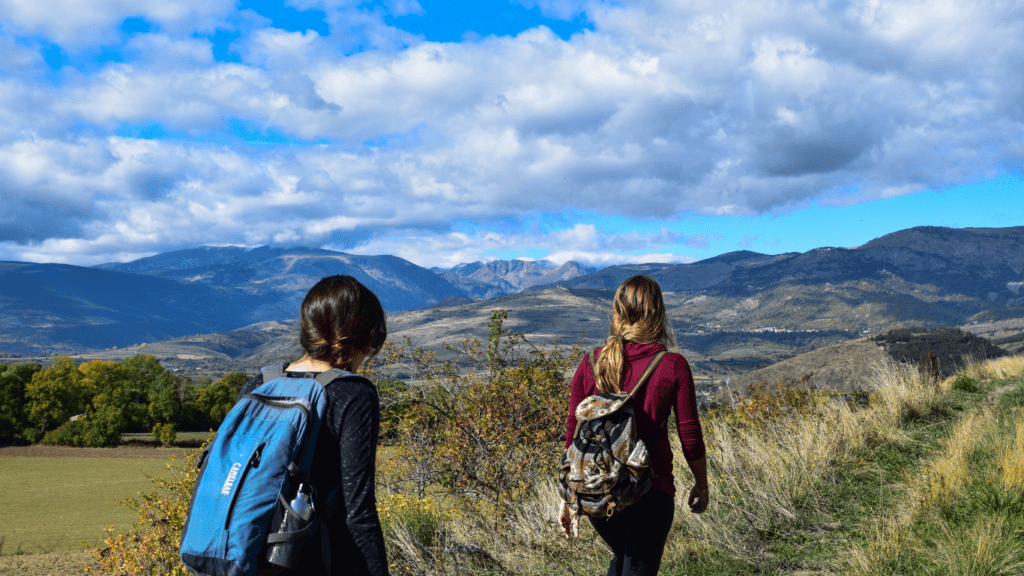
Why Eco Tourism Is More Than Just Going Green
Eco tourism is more than a trend it’s a responsibility minded way to travel that blends environmental stewardship with meaningful cultural experiences. In 2024, travelers are no longer satisfied with just seeing beautiful places; they want to understand them, preserve them, and connect with the people who call them home.
Sustainability Meets Authenticity
This growing movement is grounded in two core ideas:
Protecting Nature: Eco tourism destinations often focus on conservation, funding efforts to preserve endangered ecosystems, wildlife habitats, and biodiversity.
Uplifting Culture: More than just observing, travelers are engaging with local communities, traditions, and crafts in ways that support not displace them.
Real Impact on the Ground
Choosing an eco tourism destination doesn’t just make for a memorable trip it creates ripple effects that benefit the planet and its people.
Environmental gains: Entrance fees to parks fund reforestation or marine sanctuaries.
Cultural preservation: Community led tours encourage younger generations to maintain traditions.
Economic support: Revenues stay local, helping fund education, development, and local businesses.
More Than a Vacation
Eco tourism isn’t about guilt free travel it’s about conscious, impactful exploration. When done right, every trip becomes a chance to:
Learn about fragile ecosystems and traditional lifestyles firsthand
Support intentional travel models that promote long term sustainability
Make a positive impact with your tourism dollars
As more destinations embrace this model, travelers have a powerful opportunity to be part of a global solution simply by choosing where and how they roam.
Costa Rica: Rainforest Conservation Meets Indigenous Knowledge
Costa Rica is more than beach resorts and zip line brochures. It’s home to some of the most aggressively protected ecosystems on the planet. National parks like Corcovado and Tortuguero preserve species that don’t exist anywhere else. This isn’t drive by tourism it’s rainforest immersion, often accessible only by boat or bush plane.
But nature isn’t the only story here. All around the country, community run eco lodges are pairing sustainability with storytelling. Think open air rooms powered by solar, meals prepared with ingredients grown steps away, and hosts who speak not just Spanish, but Bribri or Maleku. These stays aren’t luxury in the five star sense, but they offer something deeper: cultural exchange with people who actually live where you’re sleeping.
Finding the real deal takes some digging. Look for lodges certified by programs like CST (Certificación de Sostenibilidad Turística) or Rainforest Alliance. Guide wise, go local. Not only will you learn more about the trees, birds, and trails, but you’ll help keep money in the communities you’re visiting.
Want to go deeper? Explore other impactful destinations in this roundup of the Best eco tours.
Bhutan: High Value, Low Impact Model
Bhutan doesn’t chase mass tourism. It never has. The country limits the number of visitors through a daily tourist fee and strict visa policies not to exclude, but to protect. This approach keeps its pristine Himalayan landscapes intact and shields its ancient monasteries and villages from the kind of cultural erosion seen elsewhere. In Bhutan, less truly means more for both traveler and host.
Tourism here is not just about the sights. It’s about the mindset. Buddhist principles like compassion, mindfulness, and respect guide how the country approaches visitors. Tourist activities are designed to connect with these deeper values, from quiet treks through sacred valleys to conversations with monks in cliffside temples. There’s no rush. Bhutan prefers meaning over momentum.
One thing that sets Bhutan apart is its national philosophy of Gross National Happiness. Instead of GDP, the country works to improve well being across environmental, cultural, and spiritual dimensions. Travelers feel this. It shifts the focus, asking you not how much you see, but how deeply you engage. Bhutan teaches that joy isn’t found in doing everything it’s found in doing the right things for the right reasons.
Norway’s Fjords: Eco Innovation Meets Local Living
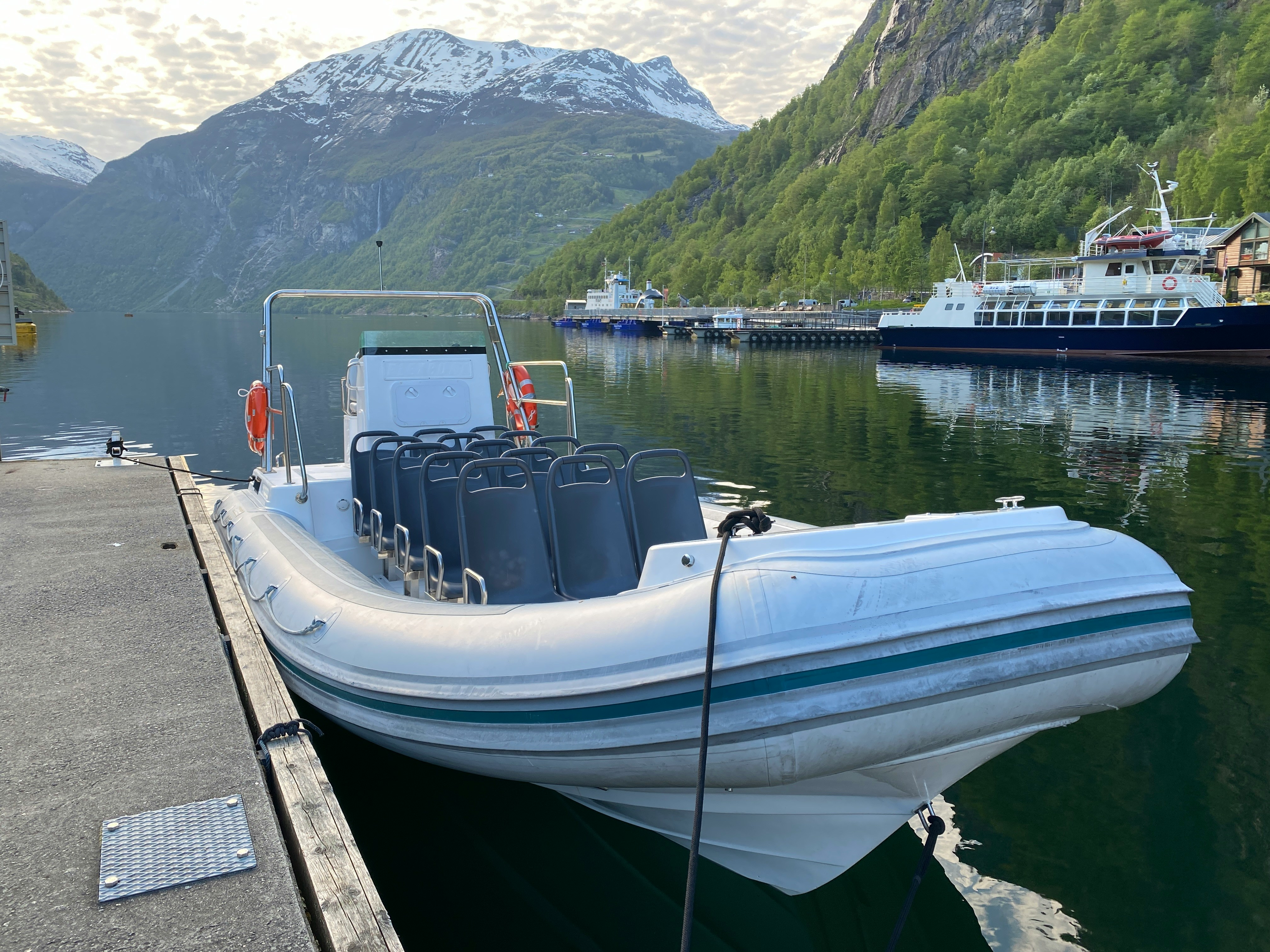
In Norway’s UNESCO listed fjords particularly Geirangerfjord and Nærøyfjord sustainability isn’t a buzzword, it’s infrastructure. These glacier carved giants now welcome travelers via electric ferries that glide silently through the water without leaving fumes behind. Onshore, the push continues with green certified hotels that run on renewable energy, recycle heat, and serve local, organic fare.
But the commitment goes deeper than carbon counts. Norway is working with Sami communities to protect and promote indigenous knowledge. These collaborations extend beyond ceremonial nods think co created local experiences and educational tours that give travelers a clearer picture of the land’s original stewards.
What draws many to the fjords isn’t just scenery; it’s the raw access to nature. Visitors can hike dramatic ridge trails, paddle into still inlets by kayak, and spend nights in locally run home stays that ditch flash for authenticity. If you’re after luxury, it’ll be found in clean air, open sky, and meaningful connection not infinity pools.
Namibia: Wildlife Safaris That Benefit Local Tribes
Namibia proves that safaris don’t have to come at nature’s expense or at odds with local communities. The country has become a leader in conservation led tourism, where private reserves and community conservancies form the backbone of both wildlife protection and education efforts. Here, tourism dollars directly support anti poaching patrols, endangered species programs, and rural schools. It’s a model that doesn’t just show you the wild, but helps protect it long after you leave.
Organizations like the Cheetah Conservation Fund are driving this shift. Based near Otjiwarongo, CCF partners with local farmers and communities to protect cheetahs, while also running health clinics, primary schools, and training centers in the region. Their approach is simple: empower people to become protectors of the land, and long term conservation becomes reality not just a tourist story.
If you’re looking for planet positive safaris, Namibia makes it simple. Visit private reserves like Okonjima or Erindi, both committed to ethical wildlife viewing and community impact. Or explore community run conservancies, like those in Damaraland, where your presence supports jobs, education, and habitat restoration.
For more inspiration, check out our full guide to the Best eco tours.
Practical Tips for Choosing the Right Eco Tour
Start with the labels. Certifications like Green Globe or Rainforest Alliance aren’t just stamps they’re signals that a tour operator follows legit environmental and social practices. They’ve met real criteria, not just slapped on a buzzword.
Next, follow the money. Tours that include local guides, stay in community run lodges, and source food and crafts from nearby markets tend to reinvest where it matters. These operations bring in tourist dollars without draining local resources or diluting culture.
Finally, keep your footprint minimal. Pack light and choose reusable gear. Learn the customs before you arrive, then actually follow them. Whether you’re hiking sacred trails or visiting small villages, leave no waste behind physical or cultural. The best travelers are the quiet ones who listen more than they post.
Putting It All Together
Eco tourism isn’t about booking a tour with the word “green” in the title and calling it a day. It’s about being intentional at every step from where you go, to how you spend, and who benefits. When you choose destinations that value sustainability, you’re not just a visitor you’re a contributor to something bigger.
Every flight, every hike, every dollar spent can either help or harm. Smart travelers look beyond the surface. They dig into what local communities actually need, they seek guides who live the culture, and they favor stays that respect local ecosystems instead of exploiting them.
Eco travel done right isn’t passive. It asks for your curiosity, your values, and your willingness to engage. That could mean learning about traditional farming in the Andes or helping document coral reef health in Malaysia. It doesn’t have to feel like activism but at its best, it moves with purpose.
The goal? Travel that shapes stories worth telling on camera or off while leaving places better than you found them.
 Williamond Hougherth - Founder of Green Commerce Haven
Williamond Hougherth is a visionary entrepreneur and environmental advocate with a deep passion for sustainable business practices. As the founder of Green Commerce Haven, Williamond has dedicated his career to promoting eco-friendly initiatives and supporting the growth of green startups. His extensive knowledge in green marketing strategies and organic products has made him a trusted voice in the eco-commerce industry. Through Green Commerce Haven, Williamond provides valuable insights on eco news, green tourism, and sustainable living, helping businesses and consumers alike make informed decisions that contribute to a healthier planet.
Williamond Hougherth - Founder of Green Commerce Haven
Williamond Hougherth is a visionary entrepreneur and environmental advocate with a deep passion for sustainable business practices. As the founder of Green Commerce Haven, Williamond has dedicated his career to promoting eco-friendly initiatives and supporting the growth of green startups. His extensive knowledge in green marketing strategies and organic products has made him a trusted voice in the eco-commerce industry. Through Green Commerce Haven, Williamond provides valuable insights on eco news, green tourism, and sustainable living, helping businesses and consumers alike make informed decisions that contribute to a healthier planet.