What Organic Really Means Now
Organic labeling isn’t what it used to be and that’s a good thing. As interest in sustainable and clean food grows, so has the need for clearer definitions and stronger standards backed by science and transparency. Here’s a breakdown of what ‘organic’ actually represents going into 2026.
Upgraded Certification Standards
Recent years have brought key updates to both U.S. and international organic certification protocols:
USDA Organic Modernization: Enhanced inspection requirements, improved traceability, and tighter import controls.
Global Alignment: More countries are adopting stricter equivalents to USDA and EU standards, making “certified organic” more uniform worldwide.
Third Party Verification: Retailers and producers increasingly work with independent certifiers to build trust and avoid greenwashing.
Common Misconceptions Still Persist
Despite better definitions, confusion remains among consumers:
Myth: Organic means pesticide free Reality: Approved natural pesticides may still be used.
Myth: Organic automatically equals healthy Reality: Nutritional value varies widely by product.
Myth: Local is always organic Reality: Local farms may skip formal certifications.
Understanding what’s behind the label helps consumers make informed choices, especially as the variety of organic offerings expands.
New Product Categories Gaining Organic Status
The organic section is growing beyond fruits and vegetables. Expect to see more certified options in emerging categories:
Packaged Snacks & Beverages: Everything from protein bars to soft drinks now comes with organic ingredients.
Personal Care & Beauty: Lotions, shampoos, and makeup with USDA or COSMOS organic labeling.
Pet Food: Organic certified pet products are now catering to health conscious pet owners.
Supplements: Capsules and powders made from organic botanicals and superfoods.
2026 is signaling a broader, more holistic organic market spanning what we eat, use, and consume daily. It’s no longer just about produce, but about lifestyle alignment and supply chain integrity.
The Real Differences: Organic vs Non Organic
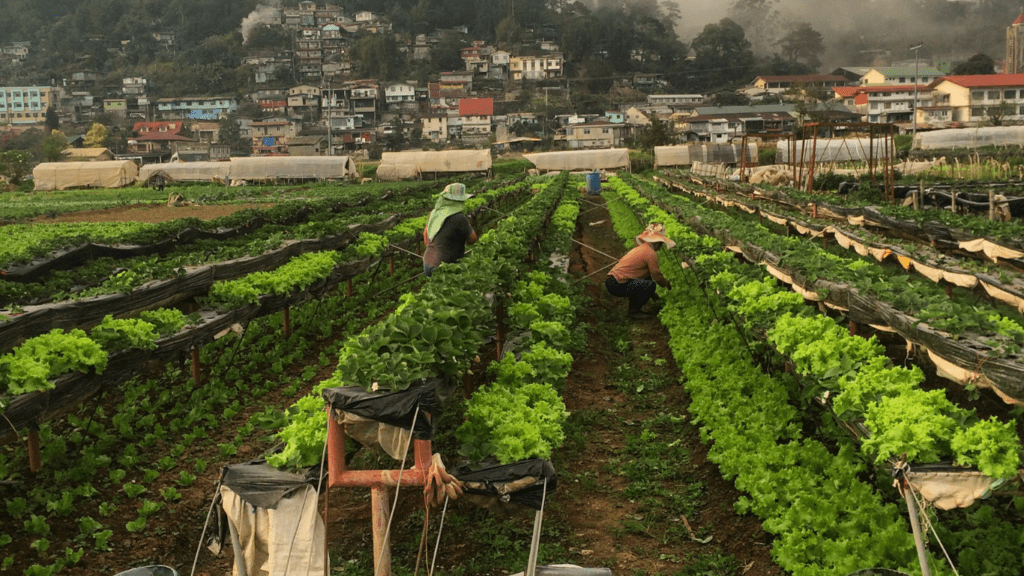
Let’s start with the basics: how food is grown. Organic farming limits the use of synthetic pesticides, restricts chemical fertilizers, and puts a hard stop on genetically modified organisms (GMOs). That doesn’t mean organic farmers never use pesticides they do but they’re generally natural based and often less persistent in the environment. Non organic farming, on the other hand, leans on synthetic inputs to maximize yields and control pests aggressively. Efficiency up, but at a cost.
Nutritionally? The data isn’t Hollywood. Some studies show minor bumps in antioxidants or omega 3s in organic produce and dairy. But the leap isn’t huge. Where there’s more clarity is in exposure organic tends to carry fewer synthetic pesticide residues. Not a magic bullet for health, but it tightens the safety margins, especially for kids and pregnant women.
Then there’s the environmental scorecard. Organic farming can mean lower emissions, healthier topsoil, and more biodiversity but only if done right. Weed control without chemicals often means more manual labor or mechanical weeding, which still burns fuel. So it’s not always a carbon saint, but it usually leaves a gentler footprint than conventional methods.
If you want to dig deeper into all this, check out this well sourced breakdown: organic product differences.
Price Gaps and How to Shop Smart
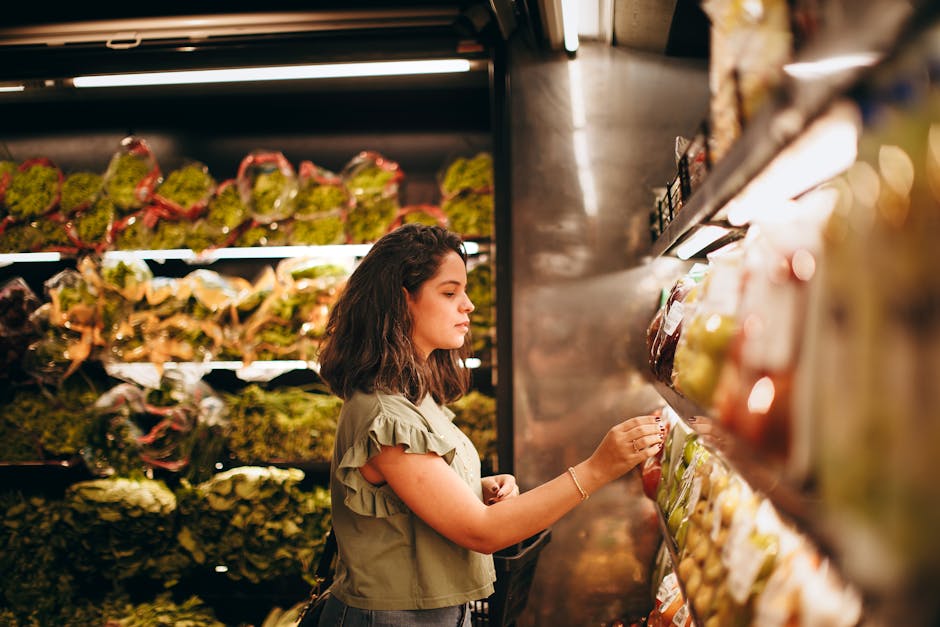
Organic food still costs more and there’s no real mystery why. Certified organic farming avoids synthetic pesticides, uses non GMO seeds, and often takes more time, labor, and land. Add the audit and certification process, plus lower crop yields compared to conventional methods, and you’ve got a higher price tag. But sometimes, it’s worth it. If you’re buying produce with edible skin like berries, apples, or spinach splurging on organic can reduce your long term exposure to pesticide residues. Animal products like milk, eggs, and meat are another spot where organic can make a real difference in hormones and antibiotic use.
That said, being smart doesn’t mean spending more. In 2026, eating organic on a budget is more doable than ever. Discount grocers and private label organic brands have ramped up. Local CSAs, in season shopping, and farmers markets can stretch your dollar. Leftovers count too batch cooking a few organic staples instead of buying every ingredient organic is a solid strategy.
Labeling, though, deserves a closer eye. “100% Organic” means everything in that product from the salt to the spice is certified organic. “Organic” (without the 100%) means at least 95% of the ingredients are organic. “Made with Organic” goes lower at 70%, and may include non organic ingredients alongside the organic ones. Rule of thumb: the simpler the label, the stricter the standard.
Being label literate and price savvy lets you make calls based on priority, not paranoia. Don’t aim for perfection just make your organic money work harder.
Consumer Trends to Watch
Organic buying isn’t just for health nuts anymore it’s a mainstream move, especially among younger parents. Gen Z and Millennials raising kids are driving demand for clean label, chemical free foods. For them, it’s not just about nutrition it’s about values. They’re reading the labels, following the supply chains, and asking questions their own parents didn’t know to ask.
Grocery tech is making this shift easier. Scannable apps, AI driven shopping lists, and filter based delivery platforms help busy families pick verified organic products without a ton of effort. Convenience is starting to catch up to concern.
At the same time, climate anxiety is no longer a fringe factor; it’s a purchase driver. Shoppers who care about generational impact are leaning into sustainable farming practices. That means they’re choosing organic not only for health, but also for ethics carbon footprint, biodiversity, and soil health included.
Organic isn’t a fad for this crowd. It’s a default expectation and retailers are catching up.
More insights here: organic product differences
Final Take: What’s Worth Your Dollar
You don’t need to go all organic to shop smart. Most nutritionists and sustainability pros agree: if you’re going to spend more for organic, start with produce, dairy, and meat. Leafy greens, berries, apples these are heavy on pesticide residue when grown conventionally. Organic versions reduce that load. Same goes for milk and meat. Organic standards mean no synthetic hormones or routine antibiotics, and animals are raised under better welfare conditions.
That said, you don’t have to be purist. Non organic options like avocados, onions, bananas, and grains have naturally low pesticide presence or hardy outer skins. They’re often just fine, especially if budget is tight. And frozen options? Sometimes more nutrient packed than the fresh stuff sitting in bulk bins. Know what matters and stay flexible.
The trick is to shop with a few filters not guilt. Choose local when possible, seasonal when available, and organic where it counts most. Use the Dirty Dozen and Clean Fifteen lists as your quick checks. And remember: eating more whole foods, regardless of the label, will always beat overthinking your grocery receipt.
 Heather S. - Innovative Eco-Author at Green Commerce Haven
Heather S. is a creative and forward-thinking author at Green Commerce Haven, where she brings a unique perspective to the world of sustainability. With a flair for storytelling and a deep commitment to environmental advocacy, Heather crafts engaging content that resonates with eco-conscious readers. Her work delves into the latest trends in green startups, organic products, and sustainable living, offering fresh insights and practical advice. Heather’s innovative approach to writing helps demystify complex environmental topics, making them accessible and inspiring to a broad audience.
Heather S. - Innovative Eco-Author at Green Commerce Haven
Heather S. is a creative and forward-thinking author at Green Commerce Haven, where she brings a unique perspective to the world of sustainability. With a flair for storytelling and a deep commitment to environmental advocacy, Heather crafts engaging content that resonates with eco-conscious readers. Her work delves into the latest trends in green startups, organic products, and sustainable living, offering fresh insights and practical advice. Heather’s innovative approach to writing helps demystify complex environmental topics, making them accessible and inspiring to a broad audience.