Know What Green Really Means
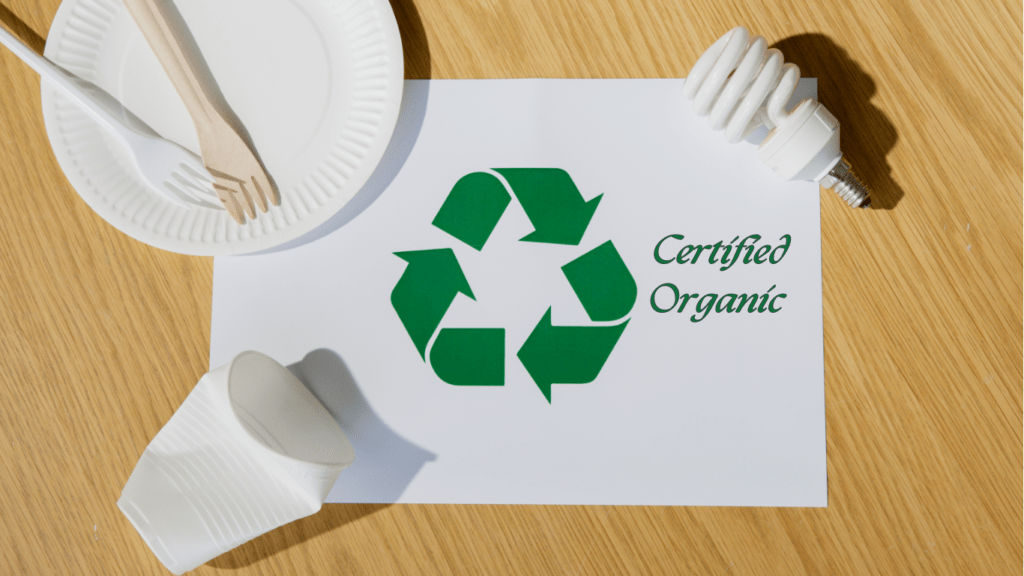
Let’s start by clearing the air. Being sustainable isn’t just about using eco friendly buzzwords. It’s about real, measurable action. Greenwashing, on the other hand, is when a brand talks a big game but doesn’t actually back it up. The difference? Substance versus spin.
Consumers are getting sharper. They’re asking what “green” really means, and they’re quick to call out anything that feels off. That’s why honesty matters. If your product still has plastic packaging but you’ve cut emissions in production say that. Transparency builds trust. Overstatement breaks it, fast.
So what helps brands prove they’re the real deal? Certifications and third party checks. Think B Corp, Fair Trade, Forest Stewardship Council (FSC), or Climate Neutral. These aren’t just stickers they’re validation from organizations with standards and audits. Look for those that publish criteria openly and stay up to date.
Bottom line: aim for progress, not perfection. And if you’re making a claim, be ready to back it up clearly, honestly, and with evidence.
Craft a Message That Resonates
In green marketing, how you say something is just as important as what you say. A strong message can inspire action, build credibility, and connect customers to your brand’s purpose. But to get it right, clarity and authenticity are key.
Keep It Simple and Honest
Avoid buzzwords and technical jargon. Speak in plain, relatable language that connects with your audience’s values.
Ditch complicated eco terms in favor of everyday language
Be clear about what your product or initiative actually does
Focus on transparency, not trendiness
Example: Instead of saying “carbon neutral logistics solution,” say “we deliver products in a way that reduces pollution and offsets emissions.”
Lead With Values, Not Just Benefits
People want to support brands that align with their beliefs. Talk about your mission and values, not just product features.
Highlight what your company stands for
Share the ‘why’ behind your sustainability efforts
Align brand messaging with lifestyle and ethics
Tip: Think about what matters to your customers fair labor, nature conservation, reduced waste and highlight how your brand supports those causes.
Storytelling Over Statistics
Facts matter, but stories stick. Humans are wired to respond emotionally to narratives, especially ones that showcase real world impact.
Share personal journeys behind your product or brand
Spotlight your employees, customers, or suppliers who are making a difference
Use visuals and videos to bring stories to life
Why it works: A powerful story shows your values in action it’s more memorable and relatable than pure data.
Campaigns That Connected
Some of the most effective green marketing campaigns didn’t lead with numbers they led with meaning.
Patagonia’s “Don’t Buy This Jacket” campaign challenged overconsumption and encouraged mindful shopping, reinforcing the brand’s purpose.
IKEA’s ‘Buy Back’ initiative gave products a second life, showing environmental responsibility in practice.
Who Gives A Crap, a toilet paper brand, uses humor and mission driven storytelling to drive home its impact on sanitation and sustainability globally.
Each campaign succeeded because it:
Clearly communicated purpose
Connected emotionally with its audience
Followed up messaging with real, visible action
At the heart of every green campaign that drives real results is a clear, honest message that resonates. Speak from your core and customers will listen.
Back Message with Real Action

Green talk without green action is just noise and audiences are tuning out. If your products, operations, and messaging don’t align, no campaign will last. Start at the source: sustainable packaging that minimizes waste, ethical sourcing that respects both people and planet, and logistics built around cutting emissions not just cutting costs.
Buzzwords aren’t enough anymore. People want receipts. Show your behind the scenes where materials come from, who makes them, how you’re improving shipment routes. These details tell a story that no slogan can touch. Document the wins, but also be honest about the work in progress. That’s how you earn trust.
Need tangible steps? Templates, audits, and checklists there’s no need to start from zero. This guide is a solid starting point: Eco Strategies for Business.
Connect with Your Audience on the Right Channels
Not all channels are created equal especially when you’re sharing a green message. Social media remains ground zero for visibility, but it’s more than a space for ads. It’s where brands can tell impact stories in real time. Talk less about what the product does, more about the why behind it. Use video, behind the scenes clips, and creator partnerships to show not tell how your brand lives its values.
Email hasn’t lost its punch either. In fact, it’s more powerful when you have something real to share. Loyal customers want updates they can act on, not vague promises. Treat email more like a conversation and less like a brochure. Use it to deepen trust, explain changes, offer transparency, and strengthen your inner circle.
Then there are the high touch channels: events, live Q&As, brand collabs with real world credibility. These prove you’re not just talking the talk. Whether it’s a pop up tied to Earth Day or a panel with a climate scientist, these experiences give your audience reasons to care and remember.
Track What Works and What Doesn’t
Green marketing without data is just guesswork. Campaigns that hit hard are built on clear, measurable goals think conversions, engagement rates, or shifts in brand trust. Loose metrics don’t cut it anymore. You need hard numbers that tell you when something’s actually connecting.
Feedback is the second leg of that stool. Don’t just wait for quarterly reports. Talk to your customers. Filter the social noise for real reactions. Are people sharing your content because it resonates, or just because it looks good?
Then comes action. Use the insights, don’t just collect them. Don’t tweak for the sake of change iterate based on what’s actually working. Are users responding more to behind the scenes transparency or bold sustainability claims? Find out. Double down.
Plenty of modern green marketers are finding their footing with structured frameworks. For direction, and a few shortcuts, dig into Eco Strategies for Business. It’s packed with examples that go beyond theory.
This isn’t about perfection. It’s about being intentional, staying responsive, and cutting what doesn’t deliver. Simple, steady, smart.
Make it Stick
Sustainability isn’t a flashy banner ad it’s a commitment. One off campaigns might grab attention for a day, but they won’t build a brand that people trust. To stay relevant, businesses need to treat sustainability like any core value: consistent, evolving, and rooted in everyday decisions.
That means updating practices as tech improves, staying accountable when mistakes happen, and refusing to coast on old wins. Transparency isn’t just a buzzword. It’s what turns customers into advocates. Show the work. Show the struggle. People respect the process if it’s honest.
The truth is, trust doesn’t come with the launch of a new green product or a perfectly worded post. It shows up over time and disappears in seconds if you cut corners. Staying in the game means putting in the work even when no one’s watching. Day in, day out.
 Ruby Miller - Eco Specialist & Contributor at Green Commerce Haven
Ruby Miller is an enthusiastic advocate for sustainability and a key contributor to Green Commerce Haven. With a background in environmental science and a passion for green entrepreneurship, Ruby brings a wealth of knowledge to the platform. Her work focuses on researching and writing about eco-friendly startups, organic products, and innovative green marketing strategies. Ruby's insights help businesses navigate the evolving landscape of sustainable commerce, while her dedication to promoting eco-conscious living inspires readers to make environmentally responsible choices.
Ruby Miller - Eco Specialist & Contributor at Green Commerce Haven
Ruby Miller is an enthusiastic advocate for sustainability and a key contributor to Green Commerce Haven. With a background in environmental science and a passion for green entrepreneurship, Ruby brings a wealth of knowledge to the platform. Her work focuses on researching and writing about eco-friendly startups, organic products, and innovative green marketing strategies. Ruby's insights help businesses navigate the evolving landscape of sustainable commerce, while her dedication to promoting eco-conscious living inspires readers to make environmentally responsible choices.